Ways In Which Does Residential Interior Decoration Enhance a Residency into a Home That Matches Unique Character and Useful Functionality?
A residence is more than just 4 walls and a roofing— it is a room where individuals develop memories, seek convenience, and express their special identifications. Residential interior decoration plays an essential role in changing a home right into a home that feels warm, inviting, and customized to the demands of its residents. It is not just about visual appeals however additionally regarding creating an area that improves the lifestyle for those who reside in it. Via a combination of creative thinking, technological competence, and an understanding of human actions, indoor designers shape property areas in manner ins which balance beauty with usefulness.
The essence of residential interior design lies in personalization. Every person or household has details preferences, regimens, and preferences, and a properly designed home should mirror these aspects. Interior developers work very closely with property owners to understand their way of lives, passions, and needs before creating a style plan. Some people favor a minimal visual with tidy lines and neutral shades, while others prefer a more eclectic strategy with bold patterns and a mix of textures. A designer's duty is to bring these visions to life while making certain that the space continues to be practical and natural.
Space planning is just one of the most important elements of residential interior design. A tactical home does not simply look great; it additionally makes daily activities much more efficient and pleasurable. Developers very carefully take into consideration exactly how each space will be made use of and just how the design can facilitate movement and communication. In an open-concept living space, for example, designers must guarantee that the kitchen area, dining, and seating locations are arranged in a way that permits easy interaction while keeping a feeling of definition between different zones. In smaller sized homes or apartment or condos, area optimization ends up being much more vital. Inside developers utilize imaginative solutions such as multifunctional furniture, built-in storage space, and clever design styles to optimize using readily available room without making it feel cramped.
Color selection is an additional effective tool in residential interior decoration. Shades have the capability to influence state of mind and perception, making them an essential element in creating the preferred ambience within a home. Soft, neutral tones can create a calming and stylish environment, which is ideal for rooms and living spaces indicated for leisure. On the other hand, vibrant shades such as deep blues, rich environment-friendlies, or warm reds can add character and energy to a room. Designers carefully select color schemes that not just enhance the home owner's choices however also improve the natural lighting and building features of the home.
Furniture choice and setup add significantly to the general comfort and performance of a home. Every furniture must offer a purpose while enhancing the design style of the room. Interior designers consider factors such as proportion, range, and material when selecting furniture items. A well-designed living-room, as an example, ought to have seating that urges discussion while additionally providing enough space for motion. Bed rooms need to be arranged in such a way that promotes relaxation, with very carefully chosen bed frameworks, nightstands, and lights that enhance comfort.
Illumination is another vital aspect of residential interior design, as it affects the ambiance, state of mind, and functionality of a space. Interior designers tactically plan lighting to highlight essential layout elements while guaranteeing enough illumination for numerous tasks. Natural light is extremely valued in property layout, as it boosts the overall atmosphere and develops a link in between indoor and outdoor spaces. Designers typically incorporate large home windows, glass doors, and skylights to optimize natural light. Man-made lighting, consisting of ambient, task, and accent lights, is utilized to enhance all-natural light and offer extra illumination where needed. Cozy lights in living locations and bed rooms develops a comfortable atmosphere, while brighter lights in kitchens and work spaces makes certain functionality.
Beyond looks and functionality, residential interior decoration additionally contributes in improving health. The plan of furniture, the choice of colors, the assimilation of natural environments, and also the top quality of air blood circulation add to a home's overall atmosphere. Several developers now integrate biophilic layout principles, which highlight the connection between nature and interior areas. This strategy involves incorporating all-natural materials, indoor plants, and organic textures to produce a soothing atmosphere that advertises leisure and psychological health.
Storage space options are an additional necessary element of residential interior design, particularly in modern homes where mess can easily gather. A properly designed home gives ample storage space while maintaining a visually attractive and well organized setting. Designers integrate storage space solutions such as integrated shelving, under-bed storage space, and surprise areas to make certain that every item has its place. Kitchens, in particular, call for careful preparation to stabilize appearances with performance, incorporating smart storage space options that make food preparation and eating extra reliable.
The process of creating a household area likewise includes selecting materials that line up with the preferred aesthetic while meeting sensible requirements. Floor covering, counter tops, wall finishes, and textiles all contribute to the general feeling of a home. Wood floors, for instance, include heat and class, while tiles offer toughness and easy upkeep. The selection of materials for curtains, furniture, and rugs further improves the texture and convenience of the space. Developers meticulously curate products to make sure that they not just look good yet likewise hold up against day-to-day wear and tear.
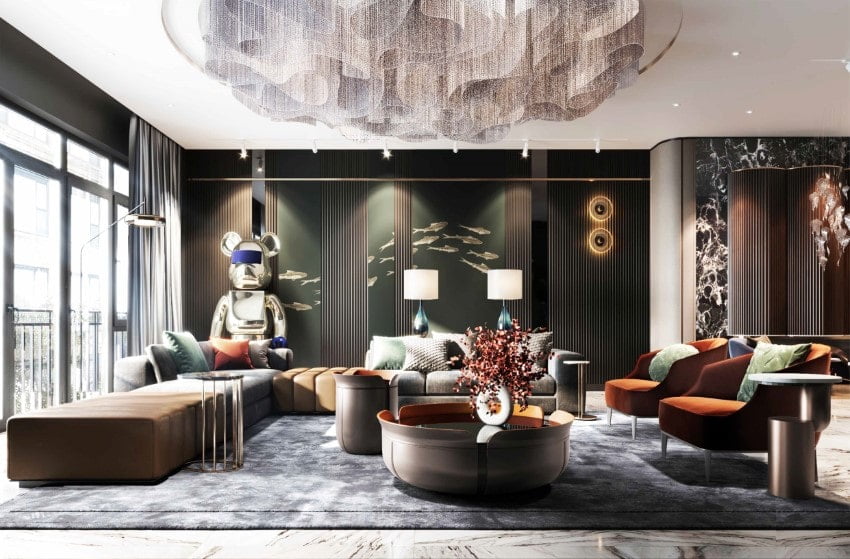 The effect of residential interior design goes beyond simply the physical room— it affects emotions, interactions, and overall way of life. A well-designed home fosters a sense of belonging and comfort, making it a place where individuals can really loosen up and be themselves. Inside developers do not just develop visually pleasing spaces; they develop atmospheres that satisfy the unique demands of each house owner. Whether it is a relaxing family members home, a sleek modern apartment or condo, or an elegant estate, residential interior design has the power to transform any kind of area right into a refuge that improves the lives of its citizens.
The cooperation in between house owners and designers is important in accomplishing an effective residential interior decoration. While designers bring proficiency in looks, spatial preparation, and technological details, home owners offer understanding into their day-to-day regimens, preferences, and goals. This collaboration makes sure that the final layout is both practical and deeply personal.
In the ever-evolving globe of interior design, trends may come and go, however the fundamental principles of residential interior design continue to be the exact same: developing a room that is visually enticing, very useful, and deeply linked to the people that call it home. The art and scientific research of residential interior decoration are not nearly making a home appearance beautiful; they have to do with crafting a setting that supports wellness, improves way of life, and tells a story of individuality and personal expression.